The Importance Of Anchor Point Testing

Anchor point testing process
Share This Post

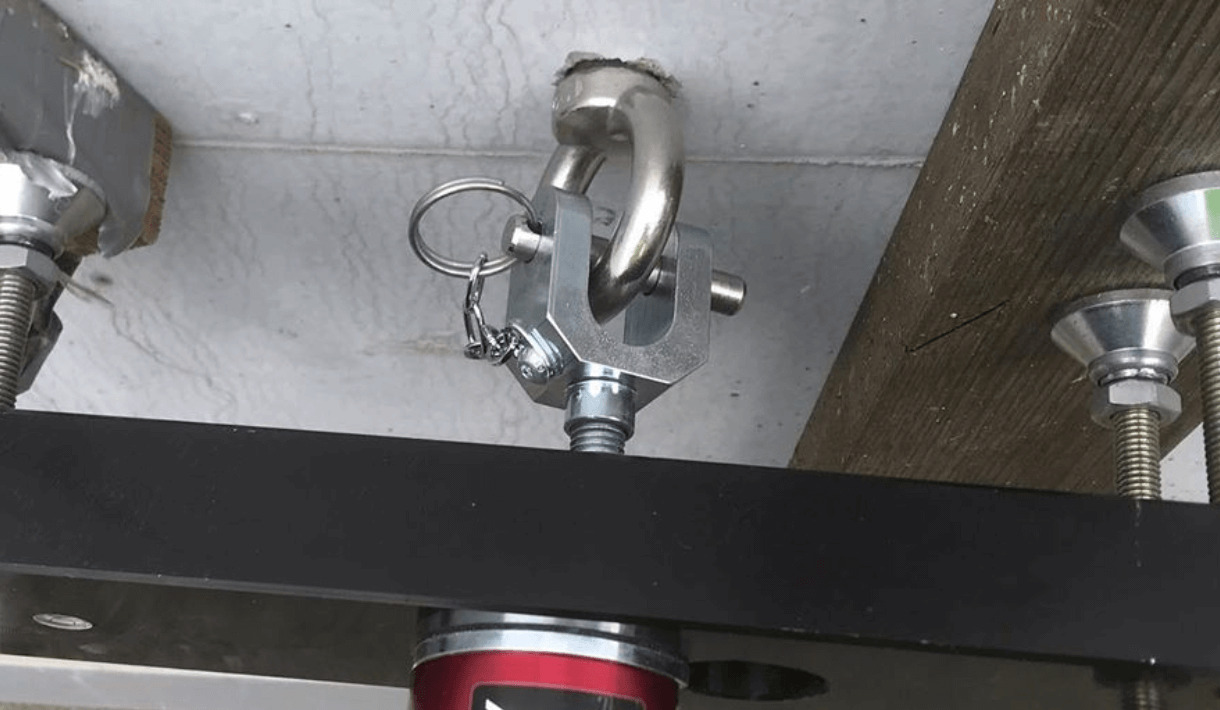
Professional testing of safety anchors

The views you get to see when working from heights can be an incredible perk of the job if you have the stomach for it.

However, working at heights also entails a multitude of risks that must be continually monitored and assessed to ensure maximum safety.

Introduction

In this blog, we discuss the importance of Anchor Testing. Read on to find out more about why it’s so important.

The Importance of Pull Testing

Pull testing is an essential part of installing critical infrastructure into concrete. For Anchor Points, the Australian Standard (AS1891_4) states that all friction or glued-in anchor points require testing after initial installation and every 12 months to ensure they remain secure (section 3.1.2(g)). Anyone trusting their life to an anchor point needs to be confident that the anchor point will remain attached to the wall or floor to which it is attached.

How Pull Testing Works

Pull testing for anchor points involves attaching a pull tester to the anchor point, applying 50% of the design’s ultimate strength, and holding it for 3 minutes. This may sound easy, but for a fall-arrest anchor point where the design ultimate strength is 15 kN, this means applying a pulling force of 7.5 kN. If this were a weight hanging vertically, it would be over 750 kg!

Anchored’s Expertise in Pull Testing

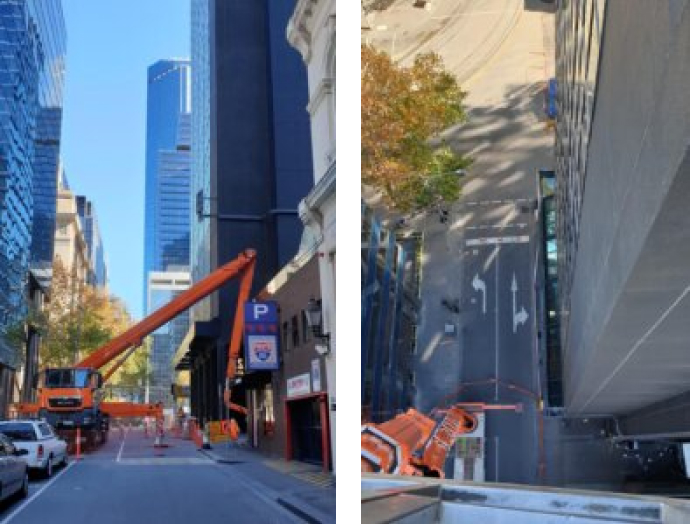
At Anchored, we have several sets of calibrated pull-testing equipment, and we also have the opportunity to test other glued-in bolts. In this particular case, one of our installers had the chance to view Melbourne from a different perspective.

On a quiet Sunday morning, we completed pull testing of bolts that retain telecommunication equipment to the side of a building.
The Importance Of Anchor Point Testing Image

Applications Beyond Anchor Points

In the past, we have also completed pull testing of bolts that retain vertical gardens and other equipment or decorative features.

As you can imagine, it is important that these bolts can withstand the weight of the vertical garden or decorative installation.

Why Choose Anchored for Testing?

When testing your anchor points, ensure that the provider is using calibrated equipment and is knowledgeable about the testing process.

At Anchored, we can provide you with all required licenses and registrations, giving you peace of mind that our experts and equipment are qualified for the job.

Contact Anchored Today

If you require a height safety solution or testing for your premises or project, call the expert Height Safety professionals at Anchored on (03) 9555 3586.

Anchored can provide you with a solution to any height-safety or access-related problem.

FAQs

1. Why is regular anchor point testing important?

Regular anchor point testing ensures that roof anchor points and safety harness anchor points meet safety standards and remain reliable over time. Testing identifies wear, corrosion, or damage that could compromise safety and ensures compliance with legal and workplace regulations.

2. How often should roof anchor points be inspected?

Roof anchor points should be inspected and tested at least once every 12 months by a qualified professional. Regular inspections are crucial to maintaining their integrity, especially in environments exposed to harsh weather conditions or heavy use.

3. Can I rely solely on safety harness anchor points when working at heights?

While safety harness anchor points are essential, they should not be used alone. Combine them with additional tools such as lanyards, shock absorbers, and proper fall-arrest systems to maximise safety. Using multiple layers of protection improves risk mitigation.

4. Are there different types of roof anchor points for various applications?

Yes, there are various types of roof anchor points designed for specific applications, such as temporary or permanent systems. The choice depends on the nature of the job and the structure of the roof. Always consult with a professional at Anchored Height Safety to select the right type for your needs.

5. What other equipment should I use alongside anchor points to ensure safety?

In addition to anchor points, workers should use safety harnesses, lanyards, energy absorbers, and helmets. For certain tasks, static lines and rope grab systems may also be necessary.

The right combination of equipment depends on the job’s complexity and the height risks involved. Always prioritise thorough planning, training and working with professionals before beginning work.

Height safety equipment care tips10 Ways To Take Care Of Your Height Safety Equipment
Streamlining safety with BluebeamHow Anchored Height Safety Revolutionised Documentation and Supercharged Efficiency with Bluebeam

Contact Us 

Your details are 100% safe and secure with us.

About the Author: Mark Anderson

Mark Anderson
Managing Director of Anchored Height Safety, an Australian height safety specialist company, which he has led for over six years. With more than two decades of experience in automotive safety development before transitioning to height safety, Mark brings a rare depth of engineering rigour and safety systems thinking to the height safety industry. He serves on the Board of Directors of WAHA (Working at Heights Association of Australia) and is a recognised voice in shaping the compliance standards and best practices that keep Australian workers safe at height.
Share This Story, Choose Your Platform!